Sustainable Solutions: How E-Waste Recycling Services Are Saving Our Planet
E-waste represents a considerable hazard to the environment, as abandoned electronic devices commonly carry harmful materials. These toxic materials have the potential to taint soil and water sources, resulting in widespread environmental harm. E-waste recycling services present a viable solution. They serve the dual purpose of reclaiming precious materials and reducing contamination. Comprehending the operation of these services and their influence on communities is of great importance. The journey towards effective e-waste management raises critical questions about individual responsibility and collective action. What actions should be considered going forward?
Why E-Waste Poses a Threat to the Planet
While technological advancements improve contemporary living, e-waste creates considerable environmental hazards. Discarded electronic devices, frequently composed of dangerous compounds like mercury, lead, and cadmium, can leach toxins into the surrounding soil and water supply, presenting dangers to human health and ecosystems. The rapid pace of technological advancement contributes to increased consumer turnover of electronics, exacerbating the accumulation of electronic waste.
Landfills, already strained by waste, are unable to keep up with the rising quantities of abandoned electronics. Incineration, another disposal method, releases harmful pollutants into the atmosphere, contributing to air quality degradation. Furthermore, inadequate recycling methods can result in the shipment of electronic waste to underdeveloped nations, where workers may break down equipment without proper protective measures, putting themselves at risk of exposure to hazardous materials. This ongoing cycle of carelessness and inadequate management emphasizes the pressing necessity for responsible recycling initiatives that can lessen the harmful consequences of e-waste on our world.
What Is E-Waste and Why Is It Important?
E-waste, also referred to as electronic waste, comprises discarded electronic devices including televisions, computers, and smartphones that have exceeded their operational lifespan. This rapidly expanding waste category is noteworthy because of its swift buildup, propelled by advances in technology and evolving consumer behaviors. With an increasing number of devices reaching obsolescence, the environmental impact intensifies, with dangerous elements including lead, mercury, and cadmium presenting serious hazards to the environment and human well-being.
The importance of addressing e-waste lies not only in mitigating these hazards but also in recognizing the valuable materials it contains. Valuable metals and rare earth materials can be extracted and repurposed, lessening the demand for mining and preserving natural resources. By understanding e-waste and its implications, individuals and organizations can make informed decisions about disposal and recycling, ultimately contributing to a more sustainable future. Effective handling of e-waste is vital for encouraging a circular economy and advancing environmental responsibility.
How E-Waste Recycling Works
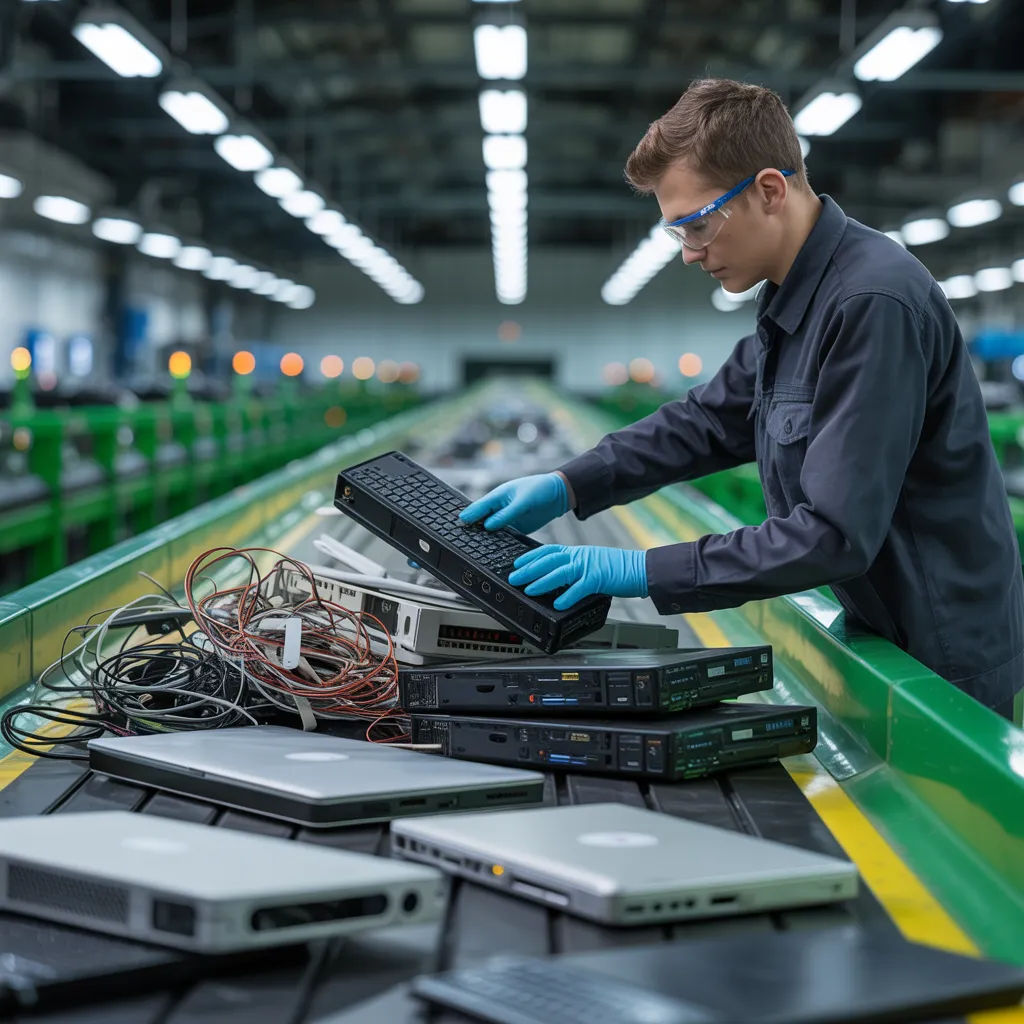
E-waste recycling entails a systematic process aimed at reclaiming useful resources while minimizing environmental impact. Initially, electronic waste is gathered and delivered to specialized recycling facilities. Once there, the equipment is meticulously organized to isolate dangerous parts from recoverable materials.
Following this, technicians take apart the products, removing plastics, metals, and glass. This process is vital, as it makes possible the extraction of precious metals like gold, silver, and copper, which may be utilized in new electronics.
Subsequently, the separated materials are processed through state-of-the-art techniques, such as shredding and specialized chemical treatments, to purify them for repurposing.
Finally, the remaining dangerous materials are managed properly, complying with eco-friendly standards. This comprehensive process not only preserves valuable resources but also minimizes the hazards linked to unsafe e-waste handling, guaranteeing a greener future for electronic consumption.
Why E-Waste Recycling Matters for You and Your Community
While many individuals may not realize it, the positive effects of e-waste recycling reach well past personal use to meaningfully influence entire communities. By carefully processing electronic waste, individuals play a role in creating a safer environment, minimizing hazardous materials that can seep into soil and water. This forward-thinking practice actively safeguards local ecosystems and promotes public health.
Additionally, e-waste recycling fosters the creation of jobs in communities. Nearby recycling establishments regularly need employees for numerous tasks, from collection to processing, consequently creating meaningful employment for local residents. This not only boosts the local economy but also fosters community involvement in eco-friendly practices.
Moreover, knowledge about e-waste recycling may result in learning opportunities, empowering residents to make environmentally conscious decisions. By engaging with e-waste recycling programs, individuals cultivate a culture of sustainability, motivating others to join the movement. All things considered, the combined impact of these actions can result in a more robust and eco-friendly community.
How to Choose an E-Waste Recycling Service
Selecting the right e-waste recycling service is crucial for making sure that e-waste is handled responsibly and sustainably. Initially, individuals should check the provider's certifications, such as e-Stewards or R2, which demonstrate compliance with professional guidelines for responsible recycling methods. It's also important to assess the company's standing by checking reviews and obtaining advice from dependable sources.
Furthermore, clarity in the recycling process is essential. A trustworthy provider should supply straightforward details about the manner in which e-waste is managed and what becomes of the materials. Furthermore, evaluating the range of services offered can be beneficial; certain providers may Get started offer collection services or present rewards for recycling.
Furthermore, being aware of local regulations regarding e-waste disposal can additionally influence the evaluation process. When these considerations are given priority, residents can actively participate in effective e-waste management as well as promoting sustainable environmental efforts.
Ways You Can Participate in E-Waste Recycling?
Participating in e-waste recycling often starts at the local level, where local recycling facilities regularly supply essential services for safe disposal. Moreover, joining community awareness campaigns can amplify efforts to educate others about the importance of proper e-waste handling. These initiatives not only promote sustainability but also cultivate a collective sense of responsibility toward the environment.
Nearby Recycling Facilities
Many neighborhood recycling stations play an essential role in recycling electronic waste, offering communities convenient opportunities to handle electronic waste in a responsible manner. These facilities handle a range of electronic items, including outdated computers, mobile phones, and TVs, making certain that hazardous materials are managed safely. Many hubs feature knowledgeable personnel who support individuals in understanding proper disposal practices, emphasizing the importance of recycling over landfilling. Moreover, numerous facilities provide scheduled drop-off occasions or specific collection dates, making participation convenient for residents. By utilizing these local services, community members advance a circular economy, reducing environmental impact and promoting sustainable practices. Partnering with these facilities empowers communities to take action against e-waste pollution effectively.
Community Awareness Campaigns
Community groups, educational institutions, and companies can collaborate to host events that promote e-waste collection drives. Community members can serve a critical function in spreading awareness, distributing educational materials, and engaging with the community. Through these collective efforts, local inhabitants gain greater awareness and encouragement to properly recycle their e-waste, ultimately contributing to a more sustainable future.
Frequently Asked Questions
What Types of Electronics Can Be Recycled?
Numerous electronics may be recycled, including smartphones, computers, laptops, televisions, printers, and gaming consoles. Furthermore, peripherals such as keyboards, mice, and batteries are also suitable for recycling, supporting sustainable environmental practices.
Do Any Costs Come With E-Waste Recycling?
Yes, e-waste disposal sometimes comes with fees, subject to the provider. Certain providers impose charges for pickup or handling, while others provide no-cost solutions, typically funded by the proceeds from salvaged materials.
How Do Businesses Gain From E-Waste Recycling?
Companies can take advantage of e-waste recycling by lowering disposal expenses, strengthening their ecological standing, adhering to regulatory requirements, reclaiming useful materials, and possibly earning income through resale, thereby fostering a more environmentally responsible business approach.
What Occurs with Data on Recycled Devices?
Information from refurbished electronics is commonly completely removed or eliminated throughout the recycling process. This ensures private details is kept safe, blocking unwanted intrusion while permitting materials to be reused securely and sustainably within new applications.
Are Broken Electronics Eligible for Recycling?
Indeed, defective electronics are able to be recycled. Several collection points receive broken devices, guaranteeing safe disposal and extraction of valuable materials. This helps decrease the environmental footprint while supporting sustainable recycling habits to control electronic waste efficiently.